Why Every Laser Clinic Should Use a Cooling Device: More Than Just Comfort
📰 Why Every Laser Clinic Should Use a Cooling Device: More Than Just Comfort
In many clinical laser treatments—whether it's CO2 fractional resurfacing, carbon peeling, or picosecond lasers—a professional cooling device has become an indispensable companion in modern clinics. While most practitioners understand the importance of cooling in reducing epidermal discomfort and preventing burns, there’s a critical hidden role that is often overlooked: protecting your laser system itself.
In fact, cooling devices are now considered a core component within clinic essential equipment for professional aesthetic practices.
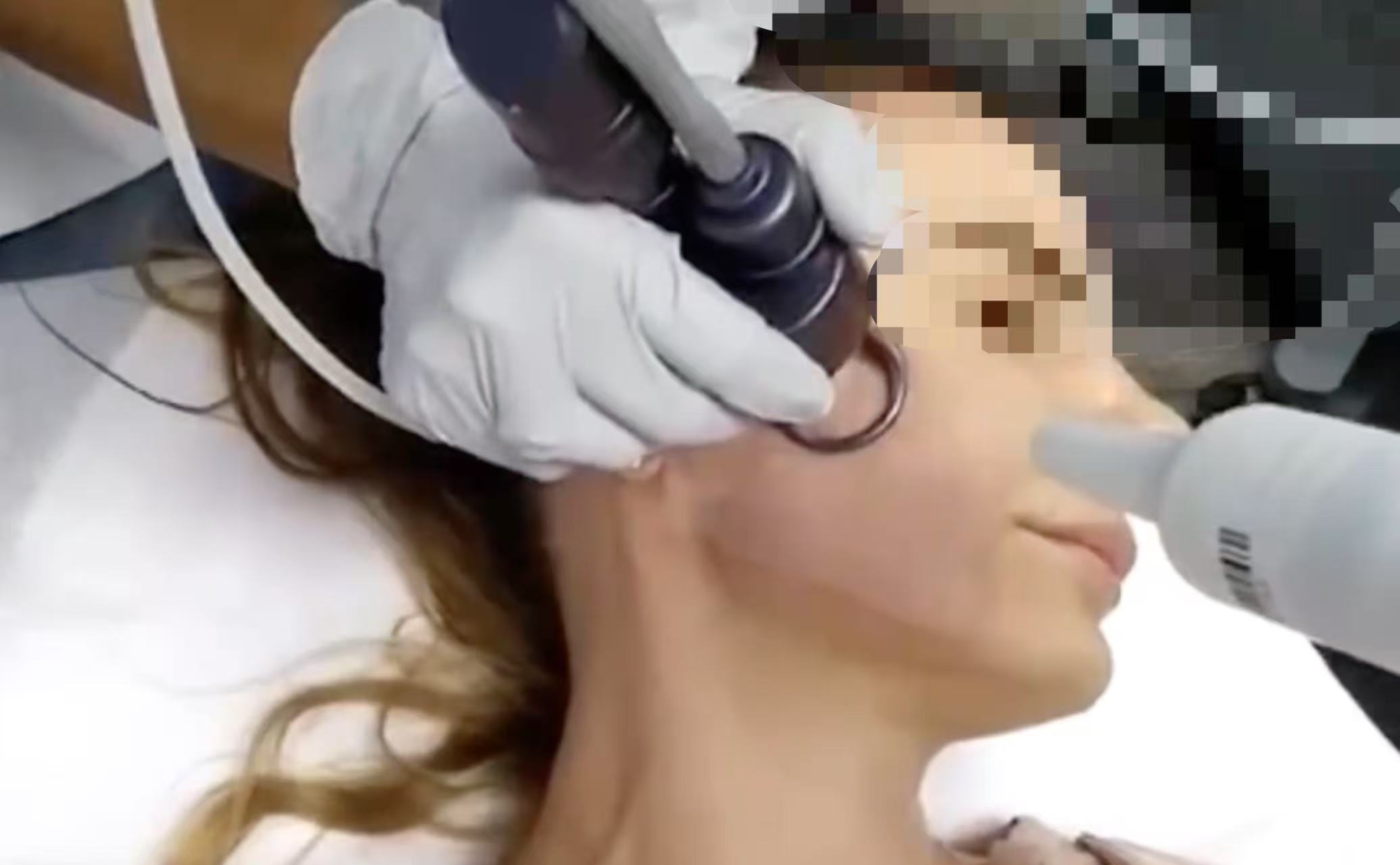
💨 What Really Happens During Laser Treatments?
When performing a CO2 fractional laser treatment, high-energy pulses break down the epidermis, producing micro-debris and skin particles that rise into the air. Similarly, during carbon peel procedures, the carbon particles applied to the skin are shattered by laser energy, creating a cloud of fine powder and vaporized residue.
Without directed airflow, these airborne particles may stick to the laser handpiece lens, gradually affecting optical clarity and energy transmission.
🔍 Why This Is Dangerous
Laser energy gets blocked or absorbed by contaminants on the lens surface.
This causes uneven energy output and reduced treatment efficacy.
Energy accumulation may lead to lens coating damage or even permanent burn-through.
Over time, clinics face frequent repairs, downtime, and high replacement costs.

❄️ Cooling Is Protection—Not Just Comfort
A cold air cooling device does far more than improve patient comfort. It plays an active role in protecting both treatment quality and machine longevity:
Blows away smoke and debris immediately during treatment
Keeps the optical lens clean and free from residue
Ensures stable and consistent energy output
Extends the lifespan of laser handpieces
Improves overall treatment safety and machine efficiency
🛠️ Even Small Lasers Need It
This principle doesn’t only apply to large CO2 systems. Even a basic Q-switched Nd:YAG laser used for carbon peeling can benefit significantly from a dedicated cooling device.
It’s not about luxury—it’s about long-term equipment protection, stable performance, and consistent clinical results.
✅ Invest Smart: Cooling Saves Costs in the Long Run
Adding a rel